
Indigenous

Indigenous People

Reconciliation comes from truth and understanding, from acknowledging the past and present in order to build a more just and equitable future. Over 6,750 people shared their experiences of the Indian Residential School System with the Truth and Reconciliation Commission of Canada. Their testimony shed light on policies and practices so that all Canadians can bear witness and have better knowledge of the experiences of their Indigenous neighbours and community members. In its small way, this issue of Visions aims to give a voice to the mental health challenges—and resilience—of Aboriginal or ‘Indigenous’ community members in BC.
Treatments: What Works?

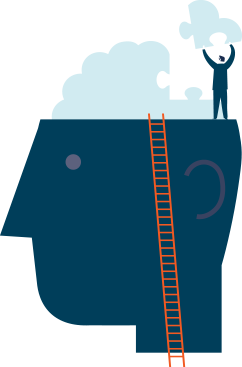
It seems like everyone has an opinion when it comes to treatments for mental health or substance use problems. To add to the confusion, it isn’t always obvious who is basing their opinions on real evidence and who is not. And while we often hear people talk about evidence-based treatments, it’s also clear that complementary and alternative medicine approaches are helpful for some.

Culture

Culture can be any group’s shared values or beliefs, whether the group is linked by ethnicity, age, gender, life experiences, and all of the places in between. Culture is reflected in everything from how we act to what our media tells us.

Stay Connected

Sign up for our various e-newsletters featuring mental health and substance use resources.

  • eVisions: BC's Mental Health and Substance Use Journal, a theme-based magazine
  • Healthy Minds | Healthy Campuses events and resources
  • Within Reach: Resources from HeretoHelp
  • EmbodyBC updates and news
  • BC Schizophrenia Society's Monthly Newsletter and Youth In Mind Newsletter

Sign up now