Understanding gender identity, sexual orientation, and mental health

Children and youth are constantly growing, not just physically, but emotionally, socially, and psychologically. Understanding how gender identity and sexual orientation develops and unfolds is essential for supporting overall mental health and preventing issues like disordered eating and other mental health challenges.
Gender Identity
Understanding key terms around gender identity helps families talk about identity and development with clarity and compassion. Most children begin to understand gender around age two and have a sense of identity by age four. Diverse gender identities are a normal part of human development.
img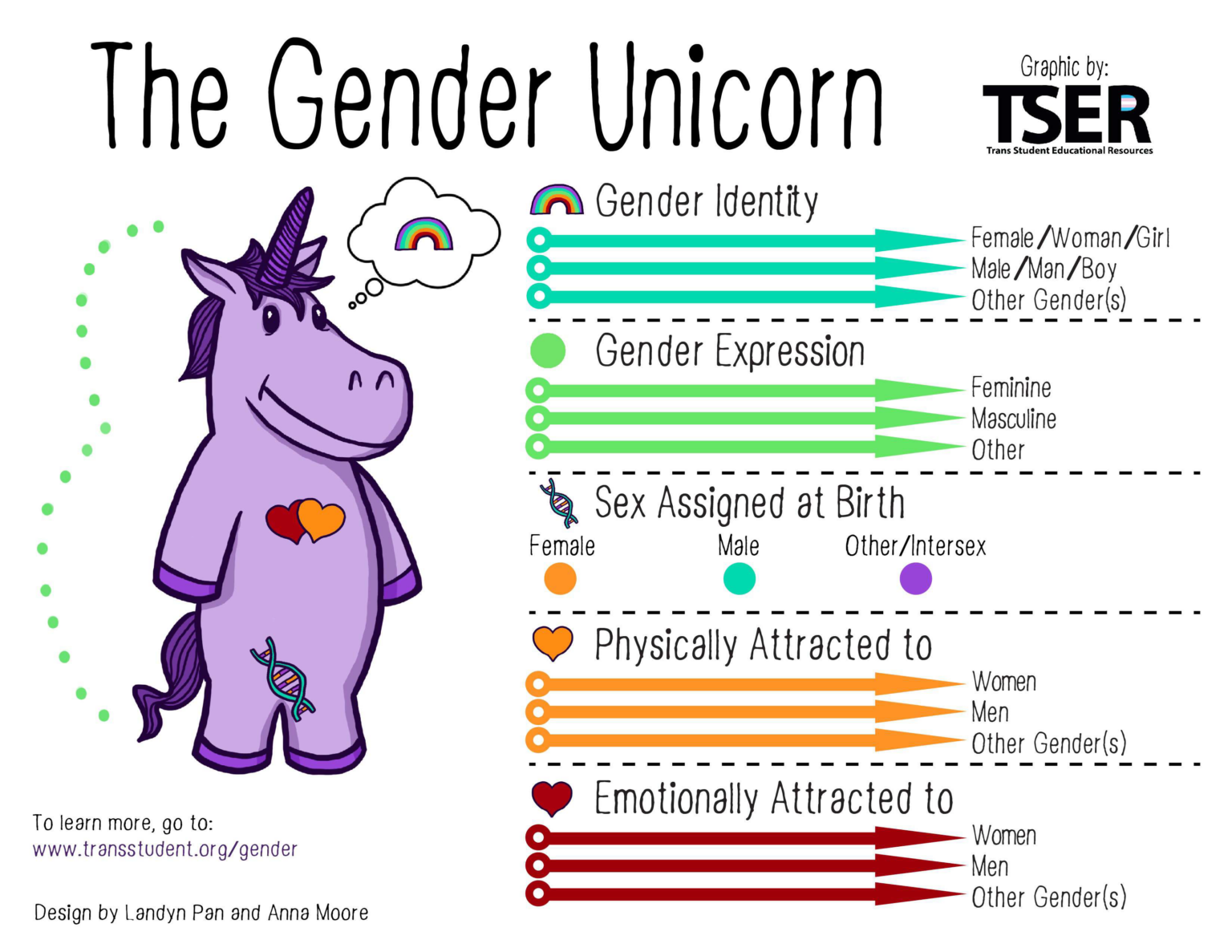
Design by Landyn Pan and Anna Moore – Trans Student Educational Resources
Key terminology regarding gender identity:
-
Gender identity is a child's inner sense of being a boy, girl, neither, or anywhere along the spectrum.
-
Gender expression is how a child shows their gender to the world through things like clothing, hairstyles, or behavior.
-
Sex assigned at birth is a medical term that refers to the physical traits a child is born with such as chromosomes, hormones, and anatomy.
Supportive environments help children develop a positive body image and self-worth. Early intervention and open conversations can prevent mental health issues from escalating.
Development during puberty
Puberty brings changes and transitions that shape how youth understand themselves and relate to others.
What is puberty?
Puberty is the time when a child’s body begins to mature into an adult body capable of sexual reproduction. It usually starts between ages eight and fourteen years, though timing can vary widely.
Puberty is triggered by hormonal changes that affect:
-
Physical growth
-
Brain development
-
Emotional regulation
-
Social relationships
Physical changes during puberty
Physical changes can feel different for every young person. For some, including gender diverse youth whose bodies may develop in ways that don't fully reflect their gender identity, puberty may bring mixed emotions.
Common physical changes are:
-
Growth of reproductive organs (e.g., testes, ovaries, breasts)
-
Onset of menstruation or sperm production
-
Development of secondary sex characteristics (e.g., body hair, voice changes, and body shape)
Youth who develop earlier or later than their peers are more likely to feel unsure about the changes they're experiencing and may affect their body image. With understanding, open communication, and reassurance from caring adults, most young people navigate these changes with growing confidence and a stronger sense of who they are.
Emotional changes during puberty
Significant emotional changes emerge during this time, shaping mood, self perception, and relationships. As feelings become more complex, young people may notice surprising emotional reactions or stronger versions of familiar ones.
-
Increased self-awareness and identity exploration
-
Mood swings and emotional sensitivity
-
Desire for privacy and autonomy
-
Possible emergence of romantic and sexual attraction
Youth begin to question or affirm their sexual orientation and gender identity during this time, which can be confusing without supportive environments.
Being there for your child is more than just words and affirmations. Being there for your child is supporting them even when they are not in the room.
Social Development During Puberty
Key aspects of social development emerge in this period, shaping how young people interact with others, interpret their world and build a sense of belonging.
-
Peer relationships become more important
-
Greater desire for independence
-
Pressure to conform to gender norms and beauty standards increases
-
Exposure to media and societal expectations can shape body image and self-worth
-
Youth may become curious about dating or exploring romantic relationships
Mental health and disordered eating
Youth who feel misunderstood or unsupported in their gender and/or sexual identity are at higher risk for gender dysphoria, substance use, anxiety, depression and disordered eating.
Disordered eating often stems from:
-
Body image dissatisfaction
-
Low self-esteem
-
Social pressures around weight, shape and appearance
According to a 2024 Government of Canada health report, differences in 2SLGBTQIA+ youth mental health were not fully explained by their access to support alone, suggesting that unmeasured aspects of minority stress may play a significant role.
What is minority stress?
Minority stress is the ongoing stress experienced by people from marginalized groups, like 2SLGBTQIA+ youth, because of the discrimination, bullying, stigma, and exclusion. Minority stress can lead to mental health challenges, but affirmation and acceptance help reduce this stress and build resilience.
What parents and caregivers can do
While many parents and caregivers are supportive, some may initially struggle to understand or adapt when someone they love comes out as transgender or gender diverse. These parents and caregivers may benefit from further guidance and resources. Working through personal concerns separately allows parents and caregivers to be fully present and supportive for their child.
1. Create a safe space
-
Encourage open conversations about feelings, sexuality, identity, and relationships
-
Avoid assuming the gender to whom your child is attracted
-
Normalize the use of gender-neutral language when referring to groups of people or people whose gender is unknown
-
Avoid gender stereotypes in toys, activities, and expectations
2. Affirm identity
-
Support and use correct names and pronouns
-
Validate your child's experience
-
Do your own personal work in understanding your child’s identity and how it changes their worldview
Being an ally is more than just words and affirmations. Being an ally to your child is supporting them even when they are not in the room. To learn more about how to support your child please see the 2SLGBTQIA+ Support page.
3. Watch for signs your child may be struggling
-
Sudden changes in eating habits, mood, or social withdrawal
-
Expressions of shame or discomfort about their body or identity
4. Advocate for inclusive care
-
Seek professionals trained in youth development, 2SLGBQTIA+ issues, mental health, and disordered eating
-
Use tools like the NEDA's Parent Toolkit for guidance and to learn more about supporting loved ones, and information about eating disorders
5. Challenge body norms
-
Avoid reinforcing narrow beauty standards or gendered expectations
-
Model acceptance and inclusivity of all body shapes and sizes, including your own! Speak kindly about your own body and role model selfacceptance
-
Reflect and be aware of your own biases and how they may impact your relationship with your child
6. Educate yourself
-
Learn about gender diversity and sexual development
-
To learn more, please see our attached resources list for a variety of topics to further your knowledge and understanding
Understanding and supporting your child's gender and sexual identity is not just about acceptance, it's a powerful tool for promoting lifelong mental health and preventing serious issues like disordered eating.
Key facts
-
Trans boys/men and nonbinary youth assigned female at birth (AFAB) report the highest rates of disordered eating and eating disorders across all gender identities
-
2SLGBTQIA+ youth with eating disorders are more likely to attempt suicide
-
2SLGBTQIA+ youth are more likely to experience homelessness, increasing their vulnerability to disordered eating
-
Body dissatisfaction is a common stressor among transgender individuals, often linked to gender dysphoria and societal expectations
Need help starting the conversation?
Visit our "We're Here to Help You Start the Conversation" series featuring lived experiences, including Lavender's Story of recovery
For more resources see more EmbodyBC infosheets:
- Raising Kids with a Healthy Body Image
- Body Image and Self- Esteem
- Resilience and Bouncing Back
- Health, not Weight
For further resources about how to your child about sexual health, visit TeachingSexualHealth.ca and look for their parent guides.
Resources
General education & support
Parent‑friendly guidance on gender identity, sexual orientation, youth development, and how to support children across ages.
PFLAG Canada
National peer support network for families of 2SLGBTQIA+ children and youth.
Caring for Kids – Canadian Paediatric Society
Age‑specific information on gender identity development and child mental health.
National Eating Disorder Information Center
Scripts for managing distressing interactions for parents, teachers, and peers.
Egale Canada – Supporting Your Gender Diverse Child
Comprehensive guidance for parents on gender identity, school rights, safety, and advocacy.
Recommended Reading
Gender Quest Workbook — Testa, Coolhart & Peta
A practical guide for youth and parents exploring gender identity.
The Transgender Child — Stephanie Brill & Rachel Pepper
A guide for raising gender diverse children, covering development, support, and advocacy.
You and Your Gender Identity — Dara HoffmanFox
A workbook style resource for understanding gender identity
Free to Be: Understanding Kids & Gender Identity – Dr. Jack Turban
A comprehensive guide to navigating and understanding gender identity from an acclaimed expert (child and adolescent psychiatrist) on the mental health of transgender and gender diverse youth.
Mental health and eating disorder prevention
National Eating Disorder Information Centre (NEDIC)
Canada's national source for eating disorder education, prevention resources, and a helpline (phone, chat, and email)
Looking Glass Foundation for Eating Disorders
Supports for youth and young adults, including a 2SLGBTQIA+ Online Peer Support(OPS) Chat
Kelty Mental Health Resource Centre (BC-based)
Provides youth mental health information, eating disorder resources, and supports for gender diverse children.
Mental Health Research Canada – Eating Disorder Caregiver Resources
Webinars, safety checklists, conversation guides, and research summaries for parents supporting a child with an eating disorder.
Gender diversity and sexual development
-
Information on accepting yourself and others for who they are. Acceptance is an important part of sexual wellness and mental well-being.
Centre for Sexuality (Calgary-based, national reach)
-
Offers parent programs, workshops, and counseling to help parents talk about sexuality and gender identity with their children.
-
Programs like "Raising Rainbows" and "Together in Pride" specifically support families of gender and sexually diverse youth.
Teaching Sexual Health (Alberta Health Services)
-
Comprehensive age-specific guides for parents on sexual development, consent, and gender diversity.
-
Includes workbooks for children and teens, and resources for parents of neurodiverse youth.
Gender Diversity in Children – McGill University
-
A resource guide for parents explaining gender identity, common misconceptions, and ways to support gender-diverse children.
-
Covers social, medical, and legal aspects of transition.
-
Provides guides for families on SOGI-inclusive education in Canadian schools.
-
Includes tips for conversations at home, and links to provincial supports like QMUNITY and Trans Care BC.
-
Provides support for families and youth.
-
Includes educational tools and resource library.
-
Advocacy, awareness and community connection.
-
A youth informed wellness guide offering clear, supportive information for transgender, Two-Spirit, and non-binary youth.
-
Includes information on understanding rights and accessing gender-affirming care.
For more info
About the author

EmbodyBC equips BC parents and professionals with trusted resources to support young people before they develop an eating disorder. EmbodyBC is a provincial program of Family Services of the North Shore.