A guide for parents, caregivers, and youth
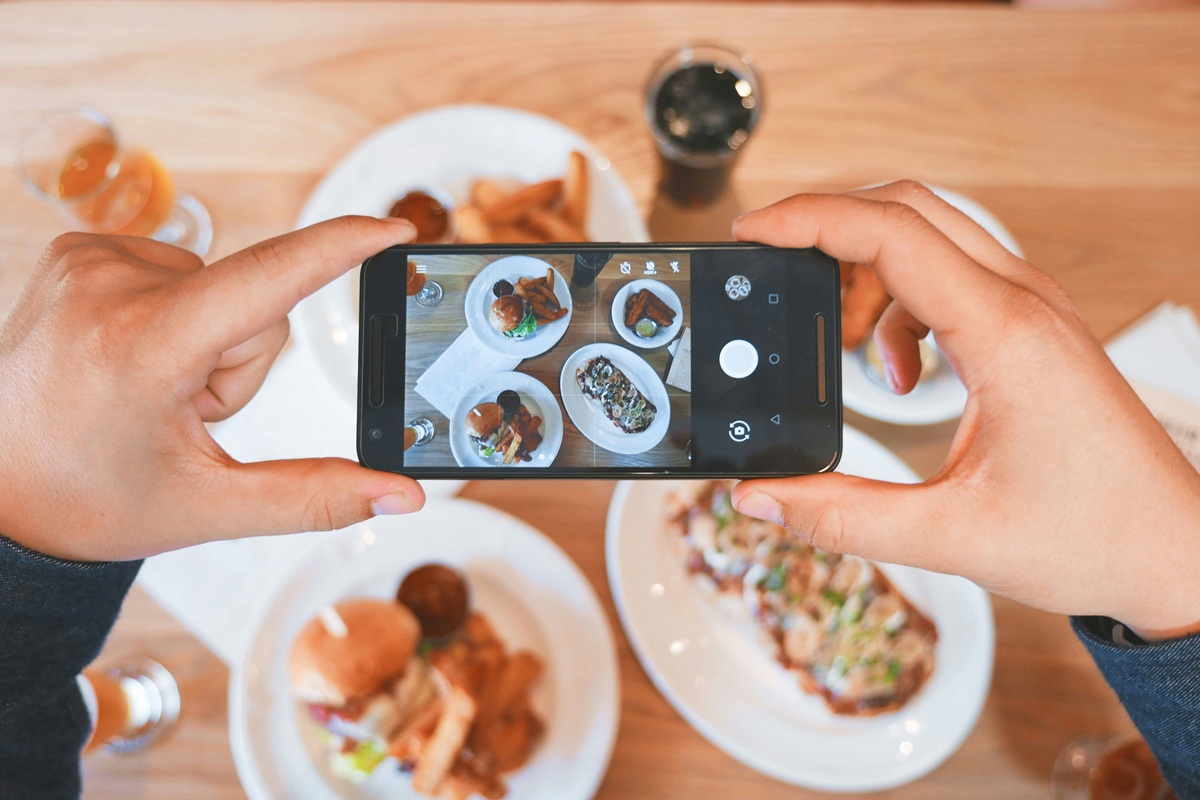
"What I Eat in a Day" videos
Many of us have looked up a new recipe online or been intrigued by a vlogger's "What I Eat in a Day" video. While it can be entertaining to scroll through social media for dessert ideas or advice on how to meal prep for a busy week, there may be harmful effects that we are not aware of.
Diet products, juice cleanses, weight loss teas, influencers who swear by a particular diet, videos about what celebrities or models eat during a "regular" day clutter our Instagram, TikTok, and Youtube feeds on a regular basis. Instead of asking ourselves about the qualifications, authenticity, or motivation of someone promoting a weight loss tea or a specific diet on social media, we might find ourselves curious about whether it works, or we may feel poorly about our own bodies, appearance, and decisions about food and exercise.
Many people, ranging from well-known models and celebrities to influencers, vloggers, and peers, have either posted or seen such videos. While it can be fascinating to see what our favorite celebrity eats in a day, this trend also highlights how unattainable and unrealistic these diets can really be. On the other hand, people may also underreport what they actually eat to show how "clean" and regimented they are about their diet.
How realistic is it to maintain our favorite influencer's lifestyle and diet if our preferences and nutritional needs are nothing alike? Is their diet sustainable for us? Do we expect to look like this person if we just follow their diet (minus the trainer, live-in chef, and team of assistants)?
"What I eat in a day" videos have become increasingly popular on social media and typically depict everything a person eats on a regular day.
These trends promote an unhealthy ideal because they sell us on the idea that a single diet or product will work for everyone and that health and happiness is implied if we just follow suit. This is often unrealistic, as people have different needs and lifestyles and there is no one product, food, or diet that works best for everyone.
What can I do?
Restrictive diets and diet products are unhelpful because they cannot fulfill all our nutritional requirements over an extended period of time, and we often don't see what goes on behind the scenes of the photos and videos others post on social media.
We also don't take into consideration other aspects of this person's lifestyle and the reasons why they're advocating for that diet, product, or gadget in the first place. For example, wellness accounts may try to promote their brand-specific products or push an unhealthy agenda that will sell to their audience. If it's a celebrity, model, or influencer, they may have gotten comments critiquing their body shape and size publicly, and may want to compensate by showing their audience that their diets are "normal" and non-restrictive, even if they might be problematic.
Being mindful of intentions and the fact that no one's diet or lifestyle is "perfect" can be a good first step.
We may convince ourselves that the reason someone we see on social media is successful, attractive, or confident is because of a specific diet, ingredient, or product that they're trying to sell us on.
Some helpful questions and tips:
-
Consider the motivation behind a specific post or video. Is this person trying to sell you something? What might this person be getting out of it?
-
Does this support my needs, likes and dislikes, and lifestyle?
-
Consider whether the information and advice being given is scientifically sound.
-
Is this diet/product/lifestyle sustainable over a long period of time or does it lack flexibility and practicality?
-
Are there areas of my life that I am hoping this product or diet will drastically improve or 'fix'?
After asking yourself these questions, you may realize that the people taking up space on your newsfeed aren't the most helpful or healthy when it comes to your body image. You may not feel great about yourself for the choices you're making when you're constantly shown an unrealistic depiction of someone else's diet and lifestyle. You can ask yourself if it may be helpful to unfollow or limit this type of content on your social media.
For more info
About the author

EmbodyBC equips BC parents and professionals with trusted resources to support young people before they develop an eating disorder. EmbodyBC is a provincial program of Family Services of the North Shore.