A guide for parents, caregivers, and youth
The highlight reel effect
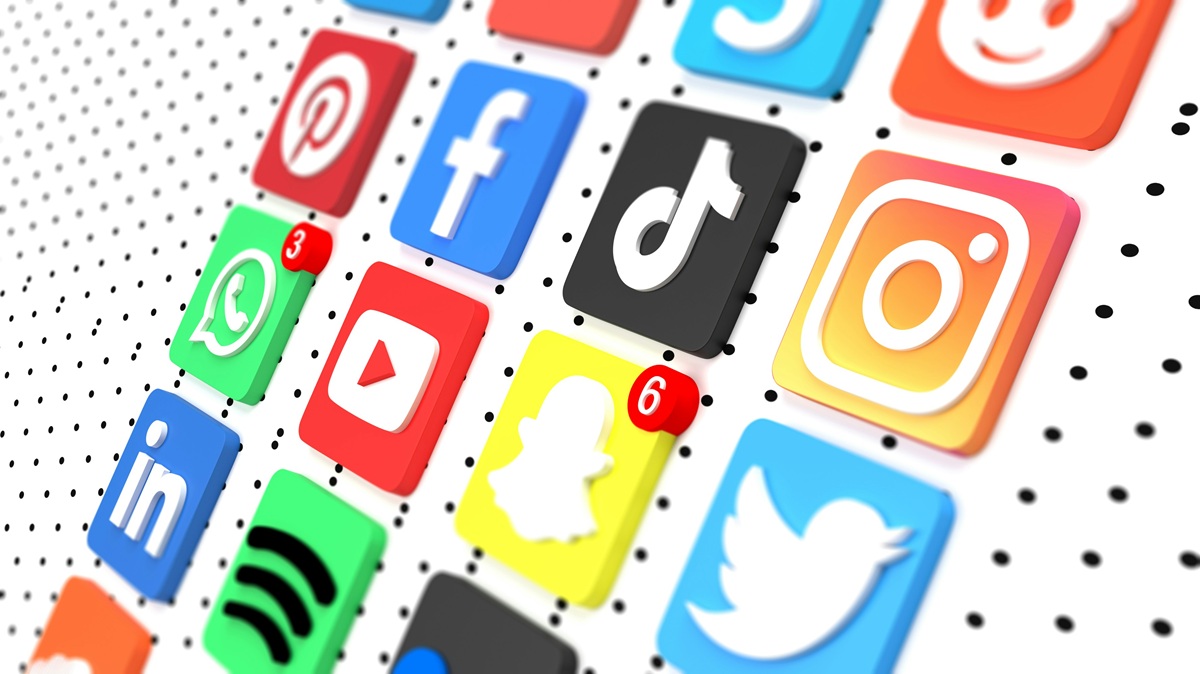
In the age of Instagram, TikTok, and highly-edited selfies, we are constantly being flooded with images that boast enviable vacations, extravagant meals, luxurious lifestyles, and the "ideal" body and face. It can be hard not to compare if we feel that we're not "measuring up" to the ideal standard. These days, the lens of social media makes many people feel that their image is under constant scrutiny.
Everyone uses social media differently, which means its effects are not the same for everyone. It can be helpful to ask yourself what you're hoping to get out of the experience each time you log on. Do you post a photo of yourself while feeling anxious about how much attention it'll get? Do you weed through dozens of photos every time you post just to pick the "perfect" one? Do you feel the need to prove to yourself or others that everything is rosy, even while you struggle on the inside? Is there pressure to show your own "highlight reel" on social media because it seems like everyone else is happier, more successful, and more attractive?
We all want to look and feel our best online and it's only natural that we want to show the best version of ourselves to others. The issue is that it can be difficult to recognize that the "highlight reel" others are showing us is not somebody's life every single day. We start to think that other people have a better life, a better partner, a better social circle, a better job, a better body, better clothes and so on. We start to compare our true, messy, authentic selves and lives to something that is not reality, which leads to many of us feeling inadequate or lacking in some way. We wonder why our lives aren't as "perfect" as theirs.
The "highlight reel" effect is a term that has been coined to describe the ways in which people present a carefully curated version of themselves online.
We start to forget that other people's "highlight reels" are not their reality all the time. We don’t see their disappointments, failures, heartbreaks, or mistakes; we only see what they want us to see: perfection.
The filter effect
We are often exposed to highly edited images of others that boast only a narrow Western ideal, in terms of beauty, age, body shape, and size. Whether it's a social media influencer, our peers, a celebrity, or even a stranger, it can be difficult not to judge ourselves harshly when we compare and believe that we aren't as attractive, successful, or accepted as others.
Get back in touch with what makes you unique and confident, and what truly makes you happy—not what looks perfect through a screen.
What's concerning is the amount of editing and retouching done to portray "perfection" in photos that leads to a false image that many of us buy into. With the invention of artificial intelligence (AI) alongside the filters and apps at our disposal, we can easily take away, change, or "improve" the parts of ourselves that we deem unattractive or unfit to be seen and loved. We can get so accustomed to perfection that we no longer feel comfortable being our authentic, imperfect selves.
What can I do?
It may be helpful to remind yourself that your self-worth is not defined by public approval and that social media only presents a one-sided version of everyone else's carefully curated moments and most flattering photographs. We truly don't have the full picture of what somebody’s life is like behind the scenes. You may be surprised to learn that they too struggle with insecurity, loneliness, or self-doubt.
Take a moment to reflect on the questions below to gain some understanding of your own habits, thoughts, and feelings.
-
How much value do you place on the amount of comments, attention, or "Likes" that you receive?
-
How do you feel about your body or appearance after being on social media?
-
Do you feel comfortable posting stories and photos without filters?
-
Do you feel you are not “measuring up” in some way to the images depicted on social media?
-
Do you feel the need to present yourself a certain way online?
-
Do you compare your body, shape, size, or image to influencers or peers on social media?
-
Is there pressure to maintain a certain image of yourself or your lifestyle?
-
Do you find yourself engaging in behaviours in order to fit a narrow beauty ideal that you see online?
If you find that you're feeling poorly after logging off from social media, comparing your appearance and lifestyle, or engaging in behaviours to fit what you see online, this may be a sign that it’s starting to affect your mental health and self-confidence. It's helpful to take a step back and limit your time spent on social media and reconnect with what's going on in your own life. Giving yourself this space can allow you to see things through a new lens and recognize that social media doesn't actually reflect somebody's life all day, every day.
For more info
About the author

EmbodyBC equips BC parents and professionals with trusted resources to support young people before they develop an eating disorder. EmbodyBC is a provincial program of Family Services of the North Shore.