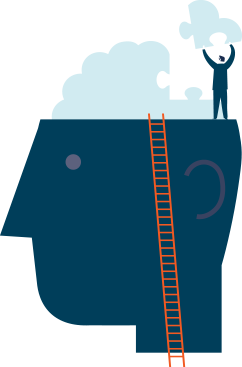
Evolving in a new country while living with PSTD
Reprinted from the Don't Erase Me: Why culture matters in mental health issue of Visions Journal, 2026, 21 (3), pp. 32-33
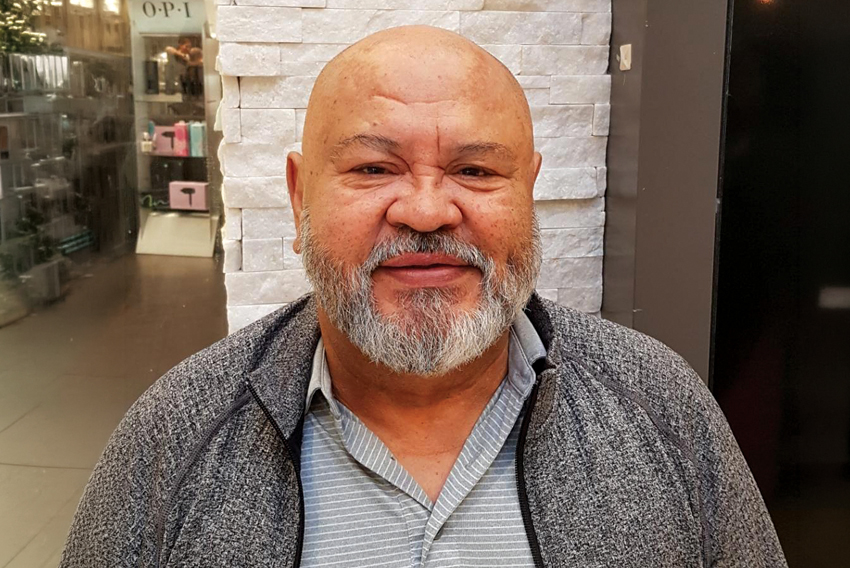
I came to Canada as a refugee from El Salvador. There was a civil war going on there in the 1980s. The guerrillas were fighting the government, and I was caught in between. I was a union member in my work, and I was being persecuted, even though I wasn’t part of the left wing or the right wing.
I eventually left for Costa Rica, but there, somehow, I was drugged and kidnapped. I don’t remember the next three months of my life. I went back to El Salvador, but the situation was still very bad. I kept living, trying not to get involved in anything. I got married and had three young children, as well as one more child who died while I was still there. That loss was devastating.
Years of struggle
It was a dangerous time. I was feeling so insecure all the time that I was getting sick. I was paranoid. I felt I was in bondage, oppressed and so desperate. I didn’t know anything more than violence and abuse.
I wanted to make my children safe. So I sold everything I could and left. I went to Mexico and applied for refugee status at the Canadian Embassy from Mexico City. They accepted my case. The process took about five months and used up all the savings I had—I spent everything. When I came to Canada in 1986, I had only $100.
The people at the embassy told us we were going to Ontario. Then a few months later, they said we were going to Vancouver. But the World Fair was happening and there was no room for us, so they sent us to Victoria.
A new life
It was really hard here at the beginning. We had nobody in Victoria. I had my wife and kids, but there was no link or support to practice my English—there just wasn’t any support to learn the language. You had to do it by yourself.
So I studied as much as I could. I went to school and studied hard to survive and to work. There are many things you have to get used to in a new country.
I didn’t really connect with other people from the Salvadoran community in Canada. I got a little skeptical about them. They were people with radical ideas, wanting change, still involved in the politics. I didn’t want that. I went a different way.
After I was here, I was relaxing, but then I started having flashbacks to the things that had happened to me. With a flashback I would get so scared. I’d be stressed out. So I looked for help. I went to the hospital a couple of times. That’s when I was diagnosed with PTSD.
I knew I was sick, so getting my diagnosis—having a word for it—made me feel validated: it wasn’t a fault of my own. This had been inflicted on me. I felt relieved to be clear about it. There was something wrong, and it had to be fixed. I got treated.
Finding support
I was a member of the Mormon Church at that time, and they really helped me a lot. With the church, I was exposed to the environment, the culture. It was easier for us to get by. The Inter-Cultural Association of Victoria also helped us a lot.
Still, there were many times I found I was suffering on my own. I couldn’t find anybody to share my situation with. It would have been nice if there’d been more awareness or support. But I tried to be independent as much as I could. Once I started learning the basics of the language, I went back to work and I kept working up until I retired.
We became citizens in 1991. My kids were so young when we got here, they had a different life. They grew up here, went to school and made a lot of friends. They’re good people. They didn’t suffer the trauma I did. They’re the reason I did this—to save them from harm.
Gaining perspective
I’m divorced now. And sometimes, to this day, I need to talk to somebody. I have a therapist I see once a month for my issues. A therapist always finds a way to make you feel good, to find an answer for your situation.
Sometimes I feel overloaded with things in my head, and I unload them on my therapist. He makes me see a better way—an easier way out.
I think people shouldn’t be afraid to get closer to other people and ask questions like "how are you feeling?" or "how are you doing?" A little more closeness. I couldn’t find that for a long time.
I’ve been back to El Salvador, but it’s never easy. I’ve had really bad nights there. Now the country is safe, but for me, it’s still hard to believe. There’s a fear behind everything in my head. I’m so grateful to this country, to the feeling of safety I’ve had here, and the life I’ve been able to build.
To others who struggle with PTSD, I encourage you to be open. Don’t be shy to ask for help and look for the resources that are out there.
Related ResourcesLearn more about the Inter-Cultural Association of Greater Victoria at icavictoria.org Find out about PTSD symptoms and help at: bc.cmha.ca/documents/post-traumatic-stress-disorder-2 |
About the author
José arrived in Canada in 1986 from El Salvador. He worked as a fabricator for 25 years and a printing press operator for 15 years. Now retired, he lives in Victoria, where he enjoys spending time with his three children and six grandchildren