Gaps, barriers and pathways forward
Reprinted from the Don't Erase Me: Why culture matters in mental health issue of Visions Journal, 2026, 21 (3), pp. 20-22
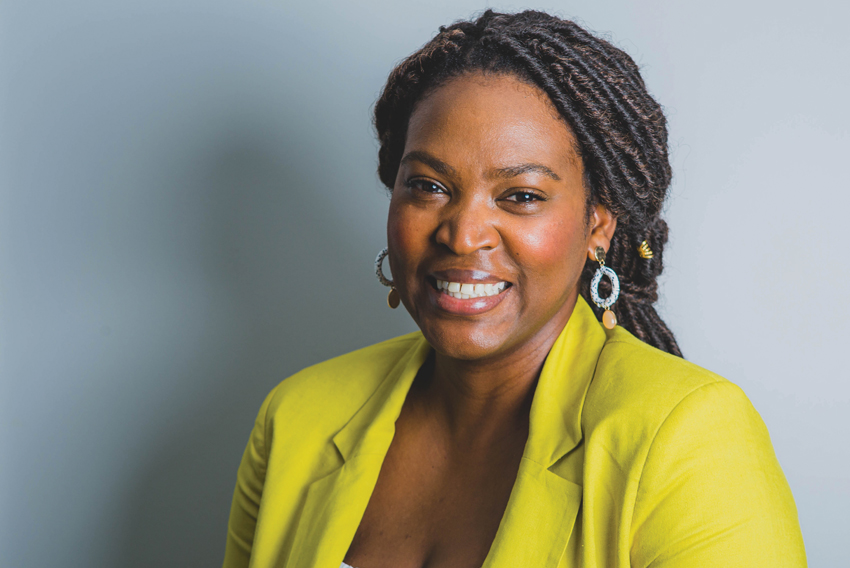
Culturally competent mental health care is a critical, yet inconsistently delivered, component of psychological mental health services across Canada. In my work as a clinical counsellor in private practice and at Simon Fraser University (SFU) I have witnessed how deeply culture, identity and systemic marginalization shape clients’ mental health experiences.
These observations have clarified not only what is currently lacking in systems of care, but also what’s possible when institutions and clinicians commit to meaningful change.
Gaps and barriers in culturally competent care
In my professional settings, the most significant gaps arise for clients who hold marginalized or intersecting identities. In private practice, I primarily serve individuals who identify as BIPOC (Black, Indigenous and People of Colour) as they navigate life, career and relationship transitions. Many are coping with grief and loss, racial discrimination, identity development and complex relational dynamics—whether with partners, siblings or parents.
Others present with mental health concerns rooted in past and present experiences, including:
chronic anxiety
functional depression
isolation
trauma responses
These concerns don’t exist in a vacuum; they intersect with lived histories of marginalization and ongoing systemic stressors.
At SFU, I work mostly with Black-identified students who face similar challenges. These challenges often relate to being “the first” or “the only” in an academic space, and include intense expectations and uncertainty–all of that, plus academic pressures. These students are frequently navigating not just coursework but also:
racialized isolation
financial instability
fear of failure in institutions not designed to support their cultural identities
Cost: One of the most persistent barriers I see is financial access. Many of my private practice clients struggle to afford therapy. This is even more pronounced among marginalized students from low-income or international backgrounds. Cost is one of the largest disruptors of continuity of care—especially for clients who require long-term, trauma-informed support.
The right fit: Another significant gap is access to clinicians with lived experience. Services such as the Vancouver Black Therapy & Advocacy Foundation offer low-cost counselling. But waitlists are long. There are too few Black clinicians to meet the high demand.
A shortage of culturally competent providers—particularly those trained in trauma-informed, anti-oppressive frameworks—means clients often wait months for care. Other times, they are forced to work with clinicians who may unintentionally perpetuate harm through microaggressions or cultural misunderstandings.
Institutional barriers: At SFU, Health and Counselling operates under a brief counselling model. That means it’s designed to offer short-term interventions and referrals to community resources for additional support and longer-term care. While this model is effective for many students, it often can’t address the complex needs of marginalized clients with high anxiety, trauma histories, housing or food insecurity, or ongoing experiences of discrimination.
These concerns do not resolve within a few sessions. And while counsellors may offer extended or more frequent sessions for at-risk or high-need students, sustainable healing requires consistency, continuity and systemic support that may extend beyond the constraints of brief care.
Reaching underserved populations
Underserved populations are best reached in their communities, where they already experience familiarity and safety. At SFU, partnering with Black student organizations, such as Students of Caribbean and African Descent, was a crucial pathway to connecting with students who might not otherwise seek counselling.
More broadly, underserved populations are often located where basic needs—food, housing, healthcare access—are unmet. By ensuring these needs are addressed through accessible, equitable and culturally sensitive programs, institutions and clinicians can significantly improve mental health outcomes. The Community Kitchens model exemplifies this approach, offering nourishment, practical skills and culturally affirming community spaces at no cost to students.
Institutional buy-in and reaching Black students at SFU
The creation of the role of Clinical Counsellor for Black Students at SFU emerged in direct response to Black student advocacy. Students had been calling for improved support and to confront the university about racial inequities on campus.
Their demands, grounded in lived experience and shaped by years of under-servicing, aligned with SFU’s public commitment to equity through the Equity Compass and its signing of the Scarborough Charter, a national agreement to address anti-Black racism within post-secondary institutions.2,3
Before my role was formally established, I served Black students on a contract basis for two to three years, and demand for services was immediate. Students were already seeking therapy but lacked designated, culturally aligned support. Once the dedicated role was created, many of these students continued their care with me, and we worked to create accessible, lower-barrier pathways for booking sessions.
The Health and Counselling department and Student Services have been receptive to implementing changes that support Black student well-being, prioritize Black students and ensure timely access to services.1 Student feedback has been central to shaping programming. For example, Black students advocated for the creation of a Black Healing Space. This is a community-based therapeutic group that now operates four to six times per semester.
They also requested a dedicated hub for culturally relevant programming, leading to the university’s commitment to build a Black Student Centre, scheduled to open in 2026.
Institutional support has also extended to Black joy–centred programming and community resources. At my recommendation, SFU expanded Community Kitchens featuring African and Caribbean cuisine—spaces where students gather to cook, share meals, develop basic culinary skills and build community.
These kitchens have become essential for students experiencing food insecurity or lacking meal plans. In 2026, a partnership with SFU Residence added three more community kitchens specifically for students without consistent access to meals.
In addition, Student Services has supported the delivery of trauma-informed training and workshops focused on identifying microaggressions in clinical practice. These initiatives represent important steps in creating a campus ecosystem where Black students feel seen, supported and empowered.
Tips for mental health professionals working with BIPOC ClientsDelivering culturally competent care requires intentionality, humility and continuous learning. Several practices can help clinicians develop stronger therapeutic relationships with BIPOC clients. 1. Cultivate genuine curiosity. Each client’s cultural background shapes their experiences differently. Even clinicians who share identities with their clients must avoid assumptions. For those without lived experience, learning outside the session is essential, like researching cultural rituals, community norms or historical trauma. 2. Incorporate identity exploration early. Make time to understand who the client is. This includes their identities, values and community contexts. Sharing aspects of your own identity, when appropriate, helps build connection and reduces power imbalances. 3. Make room for emotional processing. Many BIPOC clients benefit from sessions where the goal is to be understood rather than problem-solved immediately. Warmth, presence and nonjudgmental support help clients feel seen and affirmed, particularly when they have experienced minimized or invalidated emotions elsewhere. |
Related ResourcesFor more on developing specific tools to support Black people’s mental health, check out the Canadian Mental Health and Well-being Handbook: An introduction to an Africentric Approach to Black Mental Health and racial trauma, by Tiffany Gordon, Shanique Edwards, and Anthony Q. Briggs (Black Mental Health Canada, 2023). Learn more about the Black Student Support and Healing Space at SFU at: www.sfu.ca/students/health/support-resources/group-support/healingspace Visit the Vancouver Black Therapy & Advocacy Foundation at: vancouverblacktherapyfoundation.com |
About the author
Tricia-Kay is owner and Registered Clinical Counsellor of Metamorphose Counselling and Consultation (metacounselling.com). Skilled in treating trauma and anxiety, as well as career and relational issues, she is the Clinical Counsellor for Black students at SFU. Tricia-Kay is an active community and social services professional who serves as a board member at New Hope (Refugee) Community Services
Footnotes:
- Simon Fraser University. (2022). Advancing Black Students’ Wellbeing at SFU: Full report. Healthy Campus Community.
sfu.ca/content/sfu/healthycampuscommunity/projects/advancing-health-equity/_jcr_content/main_content/download/file.res/
Advancing%20Black%20Students'%20Wellbeing%20at%20SFU_Full%20report.pdf - Equity Compass/Institutional Equity Commitment. (2022). Simon Fraser University. www.sfu.ca/vp-people-equity-inclusion/about-the-vppei/equity-compass
- Scarborough Charter on Anti-Black Racism and Black Inclusion in Canadian Higher Education: Principles, Actions, and Accountabilities. (2021). Inter-Institutional Forum. utsc.utoronto.ca/scarborough-charter and www.sfu.ca/sfunews/stories/2021/11/sfu-signs-onto-the-scarborough-charter-on-anti-black-racism-and-