A story of loss and systemic failure
Reprinted from the Involuntary Treatment: Tensions and choices issue of Visions Journal, 2025, 21 (2), pp. 25-26
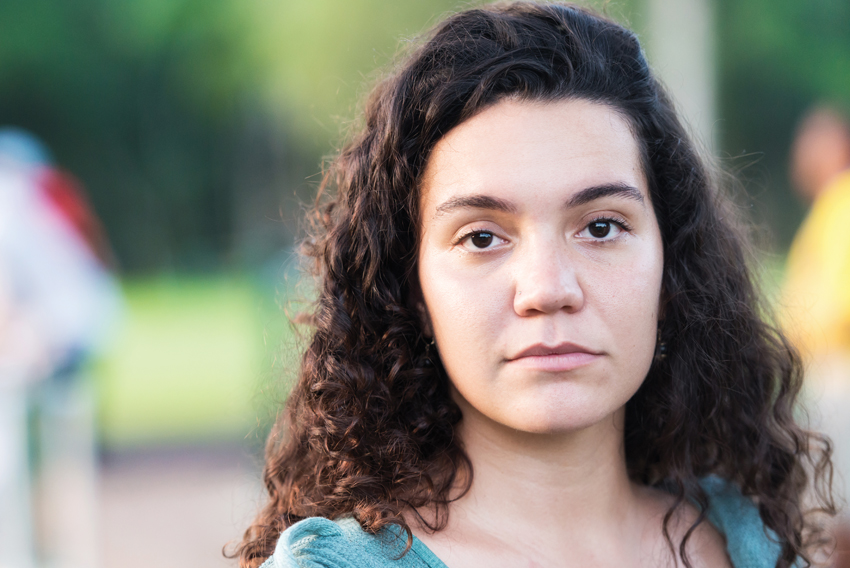
My oldest sister Belinda was always an independent, resourceful and tough human, by necessity. I looked up to her. She always tried to be there for me through our toughest times. But beneath this exterior was a soul that harboured deep trauma, pain and devastating loss.
Growing up, our shared experience was marked by mental illness, poverty, neglect, substance abuse, sexual abuse, violence, incarceration and other traumas that go hand in hand with the transient lifestyle we endured. There was one big difference between us that I believe caused my sister to have grave challenges and a lack of opportunities—things I never fully understood and had the privilege of never having to. You see, my sister was half Indigenous.
We grew up on the Blood Indian Reservation (now Kainaiwa/Blood Tribe). Our parents struggled with their own issues and were unsupported in caring for us. We were bounced from foster home to foster home. The care that could have made a difference was not made available, or the system just didn’t understand how to intervene with such complex and transgenerational issues.
A sudden apprehension
Belinda was forced into involuntary care for "troubled youth," even though she was the most stable and nurturing care my siblings and I had ever received growing up. It was very confusing to all of us. Belinda had not broken any laws. Nor was there any other reason for her to be removed from us siblings except that she was a minor herself. We were allowed to visit her early on, but our visits were terminated because she repeatedly tried to run away.
Belinda had no one to advocate for her. Our mother was detained at the time in Ponoka Hospital, Alberta's first psychiatric hospital. Her father was also dealing with mental health issues and was basically unknown to her. The only reason I can make sense of for why such a decision was made was the colour of my sister's skin. None of us non-Indigenous siblings endured such unfair and biased treatment.
The "home for troubled youth" is where Belinda's biggest problems began. Being separated from the siblings she loved and cared for caused extreme distress, which was never honoured. Each time she ran away to be reunited with us, she was taken back—with more security forced on her. This "care home" was her undoing.
It's where she met other "troubled" youth who were apparently held in detention due to law-breaking behaviours such as drug use, breaking and entering and violence. I think it's important to note that all the youth I saw there were Indigenous. I don't fully know or understand the extent of the harm that came to my sister there, but I do know this is when she began restricting her food intake—starving herself—and using alcohol and other substances that were readily available to her.
Fragile coping
Belinda was never supported or able to finish school while in care and instead had to take an unskilled job in the community. This left her at a massive disadvantage and negatively impacted her life. At 18 she was left to her own devices despite her ill health and addiction.
Her traumatic history also affected her ability to maintain healthy relationships. Over the years, family and friends turned against her or lost touch due to her transience, leaving her even more isolated. Without therapeutic support, Belinda gained limited insight into her mental illness, substance use and behaviour patterns. This put her at further risk of victimization. The relationships and abuse she endured maintained her downward spiral, even as they helped her cope. She had no alternative.
One day, Belinda decided she was ready to accept help. I believe she'd fought hard for years to get to that place of acceptance, especially considering her earlier experience with enforced care. I was able to help her find substance use treatment, where she remained for six weeks. When she asked for more time, she was denied. Despite her physical and mental challenges, the facility had no space.
They assured us that homecare would be in place upon her discharge that Thursday evening. Support did not show up until the following Monday, when I learned my sister had a critical medical emergency resulting from an undertreated infection and was in hospital on life support fighting for her life.
Belinda was released into a single room occupancy (SRO), a dangerous and unsupportive environment. Her health was extremely fragile, and the lack of immediate aid left her vulnerable. One week later, we faced the heartbreaking decision to remove life support, as her brain was no longer responding. She left behind two children who suffer their own substance use and mental health challenges. Her daughter was in custody the day of her death, and the police refused to allow her to say goodbye. We can see the transgenerational pattern forming before our eyes.
Help when it's needed
Belinda's death is a tragic reminder of the systemic failures in our justice and health care systems. Even when people like my sister are ready to ask for help, the system often fails due to resource constraints and errors made by overwhelmed staff.
Considering the lack of care Belinda received in involuntary care as a youth, I was very hesitant and unsure about requesting residential treatment. But after unnecessarily losing my sister to death, I can see its potential to save lives. Yet, the lack of resources is a systemic issue that needs to be tackled before we can effectively address the debate between involuntary and voluntary care. My sister's story is a call to action for a more compassionate, trauma-informed and responsive health care system—one that ensures no one is left without the support they need when they ask for or need it most.
May you finally be at peace. I pray you could know the gratitude I hold in my heart for your every sacrifice. I miss you, my dear sister.
About the author
Mackenzie is a therapist, nutritionist and personal trainer with over 25 years’ experience in eating disorder and substance use prevention and treatment. She integrates clinical expertise and lived experience to empower youth and families. Mackenzie leads province-wide awareness campaigns to promote early intervention in hopes of reducing long-term chronic illness