A first responder's plea for change
Reprinted from the Involuntary Treatment: Tensions and choices issue of Visions Journal, 2025, 21 (2), pp. 29-30
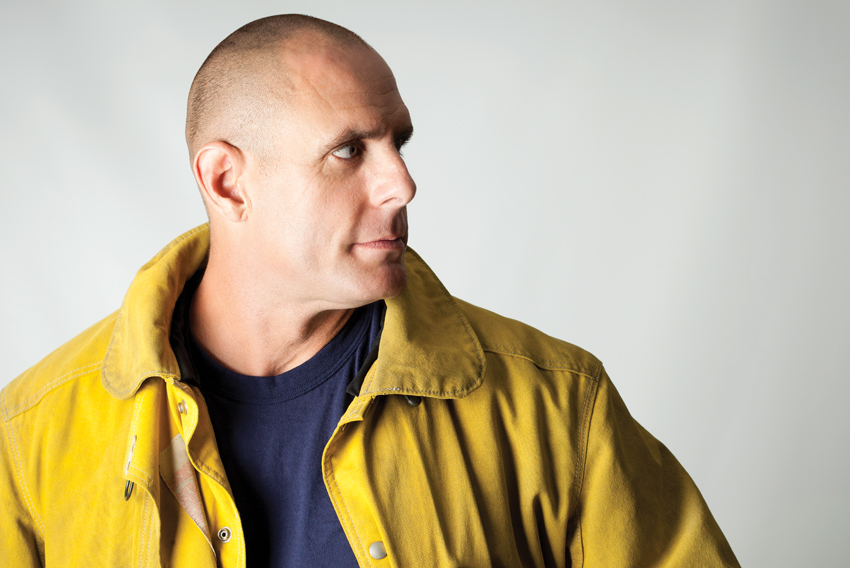
I never imagined that helping people could feel this heavy.
When I became a first responder, I knew I'd see pain. I knew I'd witness trauma. But I didn't expect the sheer depth and volume of suffering, or how powerless I'd feel in the face of it. Every shift now feels like a slow-motion disaster—one that never ends.
Most of the people I respond to are living in conditions no one should have to endure. They're experiencing homelessness, poverty, violence, addiction, untreated mental illness—and often all of the above. I've watched people overdose in alleyways, in tents, in public bathrooms. I've revived the same person multiple times in a week. I've seen people become angry and cry when they wake up because they didn't want to be saved.
And I've seen what happens when we try to help. Increasingly, we're met with violence. I've had colleagues punched, bitten, threatened with weapons. Some have been seriously injured. A few have been killed. We're trained in naloxone administration, in de-escalation techniques. But nothing prepares you for the moment someone you’re trying to save turns on you.
It's not just the danger. It's the futility. Our work in the past 10–20 years has changed dramatically, with tenfold calls related to substance use. We bring people back from the brink, only to release them into the same unsafe, unsanitary conditions. There's no follow-up. No treatment plan. No place for them to go. We're not solving anything—we're just delaying the inevitable.
The toll of toxic drugs
I've lost count of how many people I've watched die. Some from overdose. Some from violence. Others from neglect and untreated medical conditions. I've seen people grieving friends who died beside them in a tent. I've seen people so deep in psychosis they don't know where they are. And I've seen the toll it takes on my co-workers: burnout, PTSD, depression, addictions and, increasingly, suicide. We're all running on empty.
What's hardest is the silence. The lack of acknowledgment and support from leadership. The public doesn’t see what we see. Management doesn't ask how we're coping. There's no expectation or encouragement to talk about the trauma, no real mental health support or resources offered. We're expected to keep showing up, shift after shift, like it's normal.
But it's not normal and it's not OK.
One tool to break the cycle
We need to talk about involuntary treatment. I know it's controversial. I know it raises ethical questions. But right now, we're watching people die in slow motion because we're too afraid to intervene. We need a system that allows us to step in when someone is clearly unable to care for themselves or is a danger to others. Not to punish them, but to protect them and others. To give them a fighting chance at recovery.
Because the truth is, many of the people we see don't want to live like this. They're not choosing addiction. They're not choosing homelessness. They're trapped in a cycle of trauma, victimization, mental illness and substance use, and there's no way out. We need to offer real trauma-informed treatment. Real housing. Real mental health care. Sometimes, that means making hard decisions about when someone needs help, even if they can't ask for it themselves.
Right now, the system is failing everyone. It's failing the people we're trying to help. It's failing the communities we serve. And it's failing us—the first responders who are expected to carry the weight of it all.
I'm tired. I'm angry. I'm scared. I'm disillusioned. And I know I'm not alone.
We need leadership that listens and protects us. We need policies that reflect the reality on the ground.
On paper, measures for debriefing (discussions after difficult events) and support for first responders look strong; however, in reality, management often puts the responsibility to initiate or participate in these measures on the traumatized crew, rather than ensuring they’re meaningfully supported.
We also need the public to understand that this crisis isn't just about addiction or homelessness. It's about a broken system that's left too many people behind. Many times, we don't even know if the person we respond to lives or dies. There's no follow-up unless we see that same person on the street again, which happens frequently. It's a revolving door.
To other first responders, I say, don't be ashamed to seek out support before the problems begin. Find people in your field who understand the challenges you face, and a safe place to debrief and be supported. Know the resources that are available and how to access them. I think it's important not to use family, as this can only serve to traumatize them, as well and increase stresses in the home. Many of us end up divorced due to this fact. Addictions, divorce and suicide are all quite high in this field. Learning to cope in a positive way is key.
I still believe in this work. I still believe in helping people. But we can't continue to do what we are doing. It is futile. And we can't keep pretending that what's happening out here is acceptable.
Because it's not.
We need change. We need compassion—not just for the people on the street, but for the people trying to help them.
About the author
Patrick is a firefighter in a major Canadian city. Drawing on his own lived experience of trauma, Pat was compelled to pursue a career as a first responder, where he brings empathy to all his work. He has over 35 years' experience responding to medical emergencies and advocating for systemic change in front-line care