A critical lifeline for people living with severe mental illness
Reprinted from the Involuntary Treatment: Tensions and choices issue of Visions Journal, 2025, 21 (2), pp. 5-7
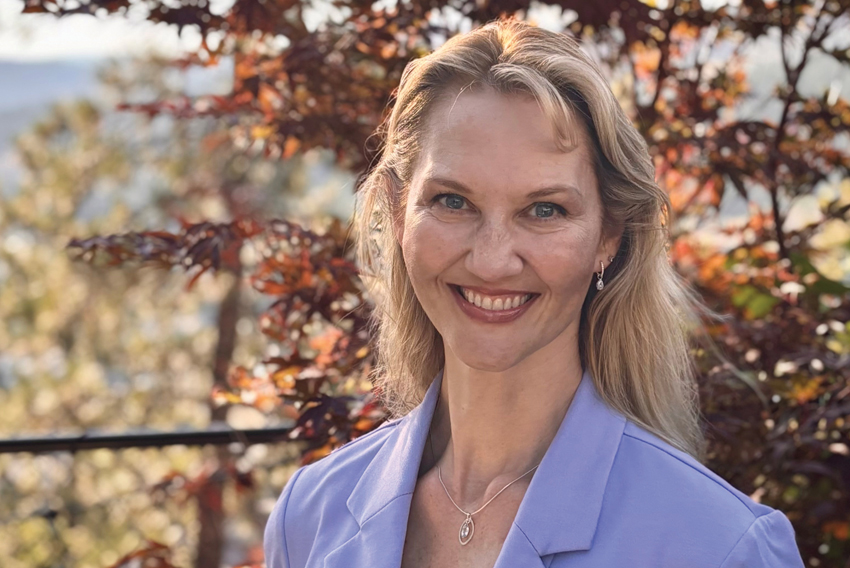
Erin Hawkes-Emiru, a neuroscientist and published author, believed she had to die for a greater cause. She thought tiny rats were eating her brain, which was also capable of regeneration. If she died, neuroscientists could research her incredible brain and learn how to cure diseases.
When Erin became suicidal due to these beliefs, she was admitted to hospital and prescribed antipsychotic medications. But Erin did not want to take the pills because she believed they had rats in them.1
This experience is not unique. In hospitals, schizophrenia has the highest involuntary admission rate of any diagnosis.2 This is because core features of the illness—delusions, hallucinations and disordered thoughts—can prevent people from seeking or accepting treatment for their illness. Another common symptom is anosognosia, a neurological inability to recognize one's illness. If a person does not believe they are ill, why would they ask for help or want treatment?
Untreated mental illness can result in many challenges, among them:
-
disrupted family relationships
-
school failure
-
unemployment
-
substance use
-
homelessness
-
suicide
Prolonged untreated psychosis also negatively affects the brain, causing:
-
decreased cognitive functioning
-
neurological damage
-
increased risk of developing other conditions, including substance use disorders
Thankfully, under the BC Mental Health Act, clinicians were allowed to hospitalize and medicate Erin. In her memoir, she declared: "forced treatment saved my life."
At the BC Schizophrenia Society, we've heard from many others with similar experiences—like Vanessa, mother of a daughter living with schizophrenia. "She would not be alive," Vanessa told us. "Flat out without the involuntary treatment... she simply wouldn't be alive."
Protection from harm
While it is always preferable for people with severe mental illnesses to be admitted and treated with their consent, this is not always possible due to the nature of these illnesses.
The BC Mental Health Act permits clinicians to involuntarily treat those in need, protecting them from the harms of treatment refusal. This legislation provides important benefits to patients, their families and communities:
Better outcomes: Starting treatment for psychosis as soon as possible, even when treatment is refused, minimizes damage to the brain.3 Early treatment avoids greater impairment and higher relapse and readmission rates.4
Decreased suffering: The delusions and hallucinations experienced by people living with schizophrenia are often terrifying. We hear this regularly from those who have been through it, and their families. Leaving people in this state prolongs fear and distress and can make symptoms harder to treat.
Decreased detention: Treatment refusal results in longer hospitalizations. People may need to be detained despite their refusal—often for months or years—which deprives them of their rights.5
Decreased seclusion and restraint: People who pose a threat to themselves and/or others because of their illness but refuse treatment often need to be placed in seclusion or restraints. This could be prevented with earlier treatment with safe, effective medications.
Hospital use and costs: Patients who refuse treatment but still need hospitalization may take up hospital beds for longer. This creates the need for extra funding for detention beds (beds taken up by those who must be detained for safety reasons but refuse treatment).
Early discharge: People who refuse treatment may be discharged before they are well. This often results in high relapse and readmission rates.
Patient and staff impacts: Patients who refuse treatment are more likely to engage in disruptive behaviours, including threats to, and assaults on, staff and other patients.6 This can interfere with treatment and quality of life for other patients.
Family impacts: Families often provide critical care for people living with a severe mental illness. Appropriate treatment lessens the caregiving burden and distress for families.
Decreased violence and stigma: People receiving treatment for their mental illness are much less likely to be involved in violent incidents than those with untreated psychosis.7
Even though involuntary treatment often saves lives and protects health rights, there are concerns that it violates other individual rights. The BC Mental Health Act includes specific admission criteria and several safeguards to ensure involuntary treatment is applied responsibly.
To be admitted under the BC Mental Health Act, a physician or nurse practitioner must assess a person and determine that they have a severe mental disorder that requires psychiatric treatment in a designated facility to protect the person, or others, from harms. This admission needs to be confirmed by an independent physician for any admission beyond 48 hours.
If a person is admitted, they must be notified of their rights under the BC Mental Health Act. The Independent Rights Advice Service has also been established to provide information and support to people admitted for involuntary treatment. A near relative of the patient must also be notified immediately after admission.
Patients can only be treated with safe, effective psychiatric treatments, and a physician must provide them with a description of their treatment plan, the reasons for the plan and its benefits and risks. Patients can also request a second opinion.
Finally, patients who believe they don't meet the criteria for involuntary admission can appeal to a review panel to be discharged. Patients can appeal panel decisions to the Supreme Court of BC.
In the name of safety
The use of involuntary treatment should be minimized as much as possible and does not exist in isolation from our mental health system. There is a greater likelihood of better outcomes with early diagnosis and intervention, more voluntary hospital beds and effective community support.
To anyone who does not understand the complexities and challenges of severe mental illnesses, involuntary treatment can seem like an extreme measure. However, involuntary treatment provides a critical safety net when people are at their most vulnerable.
For Erin, Vanessa's daughter and others living with a severe mental illness, involuntary treatment makes life-saving treatment possible, even when their illness prevents them from seeking that treatment on their own.
Related ResourcesLearn more about the Independent Rights Advice Service at: irasbc.ca For a patient Q&A about review panels, visit: bcmhrb.ca/app/ uploads/sites/431/2023/08/ Information-for-Patients-PlainLanguage-August-2021.pdf For a complete guide to BC's Mental Health Act, see: bcmhrb.ca/app/uploads/ sites/431/2018/11/MentalHealth-Guide-by-Ministry-ofHealth-2005.pdf |
About the author
Faydra's career spans over 20 years in corporate communications and project management. She is the CEO of the BC Schizophrenia Society. Faydra previously held a leadership role with the Vancouver Coastal Health Research Institute, has experience as a CBC Morning Show Producer and has held executive roles with national and international community organizations
Footnotes:
-
Hawkes, E. (2012, June 18). Forced medication saved my life. National Post. nationalpost.com/opinion/erin-l-hawkes-forced-medication-saved-my-life
-
BC Schizophrenia Society. (2023). Schizophrenia Prevalence Position Paper. bcss.org/wp-content/uploads/resources/Schizophrenia-Prevalence-Position-FINAL.pdf
-
Goff, D.C., Zeng, B., & Ardekani, B.A., et al. (2018). Association of hippocampal atrophy with duration of untreated psychosis and molecular biomarkers during initial antipsychotic treatment of first-episode psychosis. JAMA Psychiatry, 75(4): 370–78.
-
Csernansky, J.G., & Schuchart, E.K. (2002). Relapse and rehospitalisation rates in patients with schizophrenia: Effects of second generation antipsychotics. CNS Drugs 16: 473–84.
-
Solomon, R., O’Reilly, R., Gray, J. E. & Nikolic, M. (2009). Treatment Delayed – Liberty Denied. The Canadian Bar Review, 87(3). cbr.cba.org/index.php/cbr/article/view/4117
-
Owiti, J., & Bowers, L. (2011). A narrative review of studies of refusal of psychotropic medication in acute psychiatric care. Journal of Psychiatric and Mental Health Nursing 18(7): 637–47.
-
Treatment Advocacy Center. (2016). Risk factors for violence in serious mental illness. tac.org/reports_publications/risk-factors-for-violence-in-serious-mental-illness