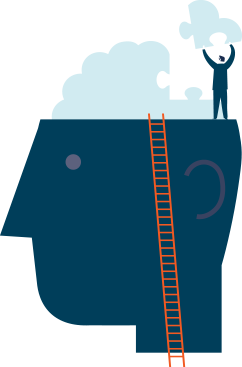
Eating disorders

Recovery as a Collective Process

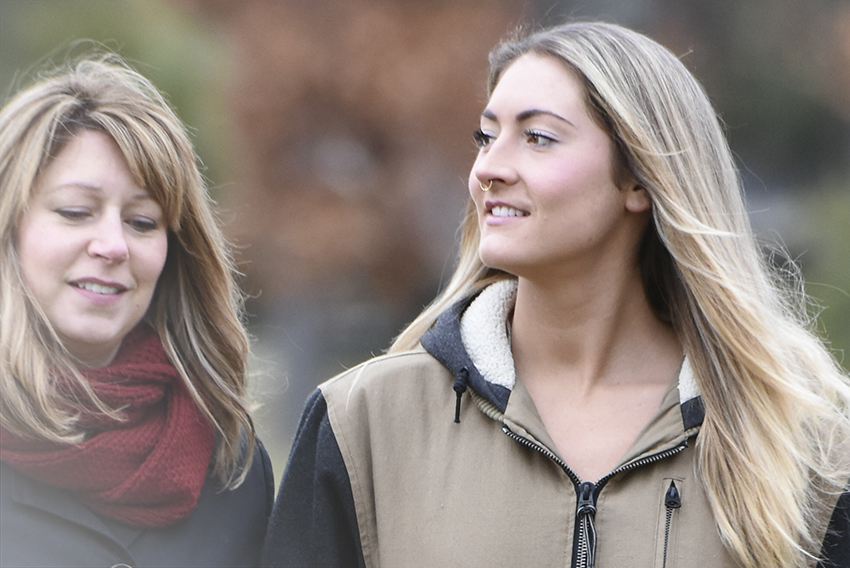
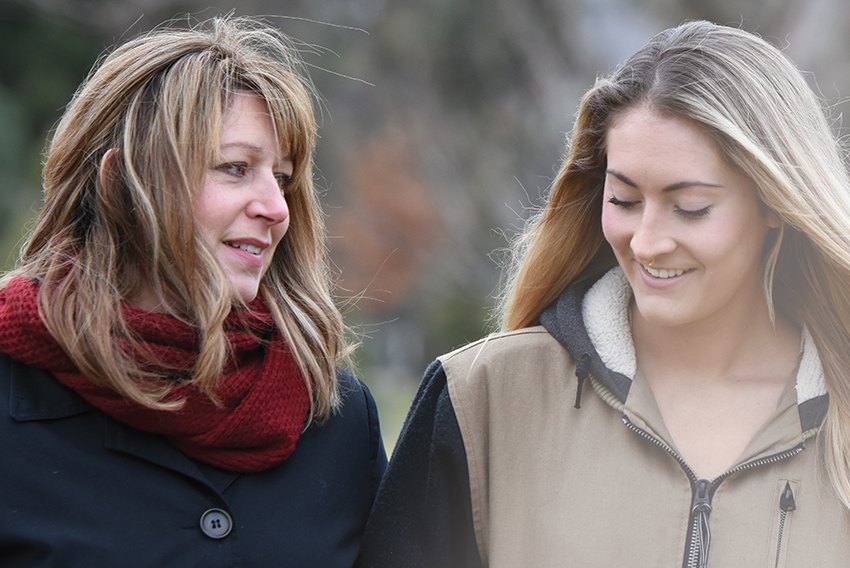
Samantha’s story starts with her own eating disorder, depression, anxiety and PTSD and eventually problems with alcohol and painkillers, too. Samantha then describes the transition to becoming a parent to a child who will go on to develop her own mental health struggles. Find out more about the strength and vulnerability Samantha needs to support her daughter, including realizing when they both need more help.
Body Image

What do you think when you picture yourself in your mind or look at yourself in a mirror? It’s almost expected that we find something wrong with ourselves.

Eating disorders

Eating disorders are a group of mental illnesses that affect the way you feel about food and the way you feel about your body and yourself. There are three main eating disorders: anorexia nervosa, bulimia nervosa and binge-eating disorder. While these are all called eating disorders, it's important to remember that these disorders are about much more than food—they're also about how you feel about yourself, how you cope with your feelings and other deeper factors.

Treatments: What Works?

It seems like everyone has an opinion when it comes to treatments for mental health or substance use problems. To add to the confusion, it isn’t always obvious who is basing their opinions on real evidence and who is not. And while we often hear people talk about evidence-based treatments, it’s also clear that complementary and alternative medicine approaches are helpful for some.

Stay Connected

Sign up for our various e-newsletters featuring mental health and substance use resources.

  • eVisions: BC's Mental Health and Substance Use Journal, a theme-based magazine
  • Healthy Minds | Healthy Campuses events and resources
  • Within Reach: Resources from HeretoHelp
  • EmbodyBC updates and news
  • BC Schizophrenia Society's Monthly Newsletter and Youth In Mind Newsletter

Sign up now